
The Modern Secondhand Revolution: Smart Shopping, Sustainability, and the Power of Classified Ads
In an era defined by economic awareness and conscious consumption, the way people buy, sell, and exchange goods has undergone a massive transformation. The traditional marketplace, once dominated by brand-new retail items, has increasingly shifted toward pre-owned goods and specialized classified networks. Embracing pre-loved items is no longer just about searching for a bargain; it has evolved into a lifestyle choice centered around financial wisdom, environmental responsibility, and community engagement. Modern digital platforms have streamlined this transition, making it easier than ever for individuals and businesses to connect across regions and trade efficiently.
The Shift Toward Intelligent Consumption
For decades, purchasing new items was viewed as the default option for consumers. However, modern market dynamics have highlighted the drawbacks of rapid depreciation, resource depletion, and unnecessary waste. Whether dealing with vehicles, household furniture, electronics, real estate, or professional machinery, products often retain significant practical value long after their initial purchase.
When consumers explore pre-owned markets, they unlock immediate financial advantages. High-ticket items like cars or commercial appliances undergo their steepest depreciation curve within the first few years of production. Purchasing pre-owned gear lets buyers bypass this initial loss, acquiring high-quality products at a fraction of their original cost. Simultaneously, sellers gain an effective method to declutter their living spaces, free up valuable storage, and monetize unused items.
Key Categories Driving Classified Marketplaces
Modern classified advertising platforms cater to a wide spectrum of personal and professional needs. By organizing listings into well-defined categories, these marketplaces allow users to navigate distinct sectors effortlessy:
Real Estate and Property: From residential apartments in major hubs like Madrid and Barcelona to commercial spaces, garages, and rural plots, local property listings remain an essential channel for buyers, renters, and real estate professionals seeking direct deals.
Vehicles and Transportation: Cars, motorcycles, commercial vans, and specialized machinery move rapidly within local networks. Direct buyer-to-seller interactions allow for transparent negotiations and hands-on inspections.
Home, Decor, and Appliances: Vintage furniture, solid wood dining sets, baking ovens, and everyday home appliances frequently find new life in secondary homes or small startup businesses.
Technology and Electronics: Laptops, smartphones, audio systems, and gaming equipment represent some of the most frequently traded pre-owned categories due to fast technology release cycles.
Jobs and Professional Services: Beyond physical goods, classified platforms act as local economic engines by connecting independent freelancers, tradespeople, event managers, and job seekers directly with clients.
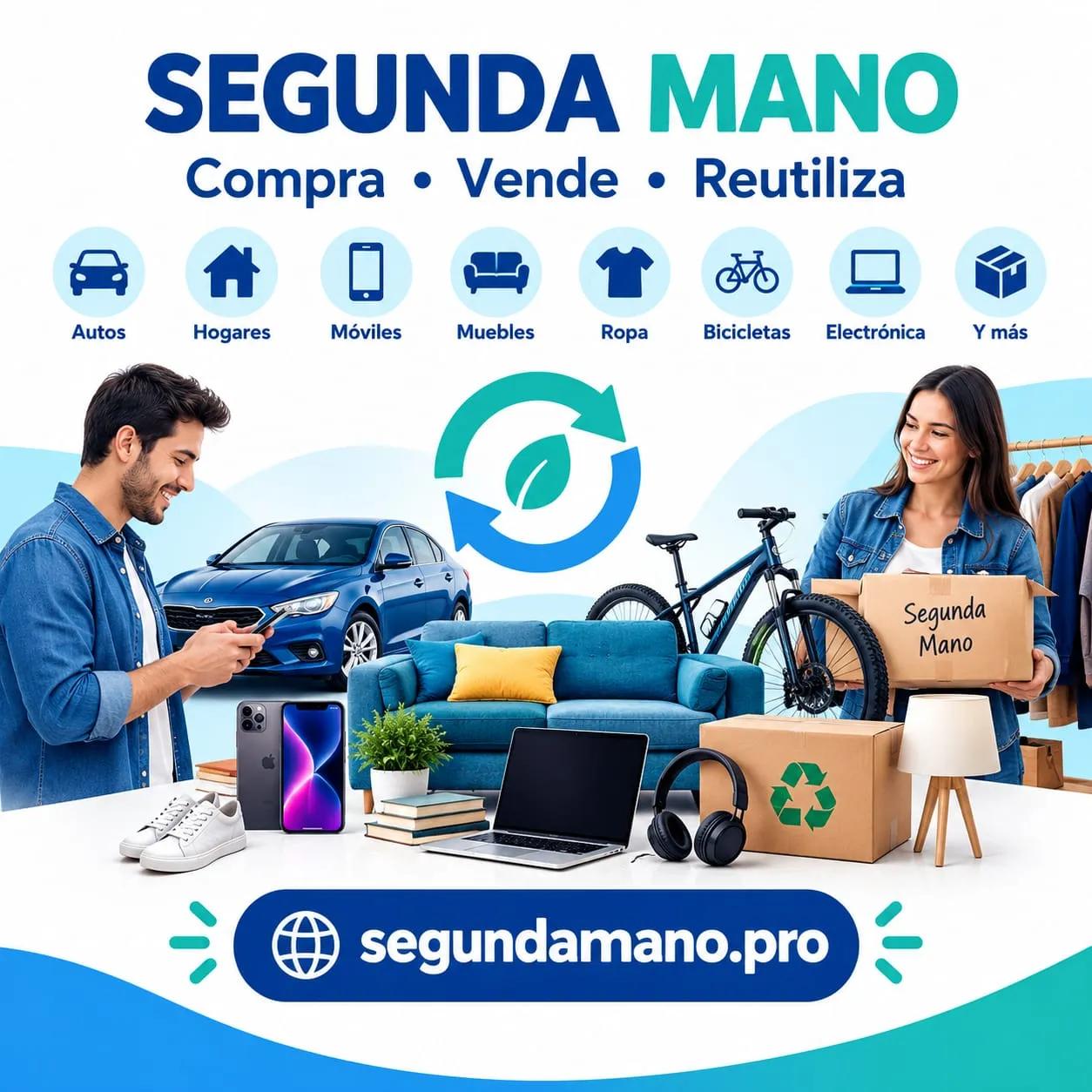
If you are looking to discover budget-friendly deals, post free classified ads, or explore local listings across Spain, visiting segunda mano provides a convenient platform to connect buyers and sellers directly.
Environmental Benefits of the Circular Economy
Beyond the clear economic advantages, the secondary market plays a crucial role in advancing global sustainability goals. Every manufactured product carries an environmental footprint that includes raw material extraction, factory energy consumption, packaging waste, and international transport emissions.
Linear Economy:    Extract Raw Materials ➔ Manufacture ➔ Purchase ➔ Discard in Landfill
Circular Economy:  Purchase ➔ Use ➔ Resell / Exchange ➔ Re-use ➔ Extended Lifecycle
Extending the lifecycle of an existing product directly reduces demand for brand-new manufacturing. When a commercial mixer, a bedroom set, or an iPhone is resold rather than discarded, it prevents usable materials from entering municipal landfills. Embracing local classified networks normalizes re-use, turning the circular economy from an abstract policy concept into an accessible daily practice for ordinary households.
Strategies for Successful Buying and Selling
Navigating classified listings effectively requires basic strategy to ensure safe, transparent, and mutually beneficial transactions for both parties.
Best Practices for Sellers
Provide Clear Visuals: Capture high-resolution, well-lit photos showing the item from multiple angles, highlighting both its strengths and minor flaws.
Write Honest Descriptions: Clearly state dimensions, brand names, wear and tear, and included accessories. Honesty builds trust and reduces unnecessary back-and-forth messages.
Set Fair Pricing: Research similar listings to price your item competitively based on current market demand and physical condition.
Smart Guidelines for Buyers
Verify Details: Read item descriptions carefully and ask specific questions regarding the item’s usage history or functional status.
Inspect Before Finalizing: Whenever possible, arrange in-person meetings in public places to verify the condition of the product before completing payment.
Communicate Clearly: Use established platform messaging channels to maintain clear communication records regarding meetups and pricing.
Frequently Asked Questions (FAQs)
1. What are the main benefits of using free classified ad websites?
Free classified websites allow sellers to post listings without paying upfront fees, maximizing their return on sold items. For buyers, these platforms offer direct access to local sellers, allowing for quick negotiations, local pickups, and lower prices compared to traditional retail outlets.
2. Is it safe to buy and sell pre-owned items online?
Yes, trading pre-owned items is generally safe when basic precautions are taken. Buyers and sellers should communicate clearly through standard platform channels, meet in well-lit public places for transactions, and inspect physical items thoroughly prior to transferring payment.
3. How does buying secondhand support environmental sustainability?
Buying pre-owned goods extends the lifecycle of products, reducing landfill waste and minimizing energy consumption associated with manufacturing new items. It represents a practical application of the circular economy.
Conclusion
The secondhand marketplace represents far more than a simple alternative to retail shopping; it is a fundamental pillar of modern, practical living. By giving pre-loved items a second life, consumers lower their living costs, support local trade, and contribute meaningfully toward environmental preservation. Whether you are clearing out unused furniture from your home, sourcing reliable equipment for a new business, or looking for local job opportunities, online classified platforms offer the speed, accessibility, and direct connectivity needed to make smart, sustainable transactions every day.